Understanding the Latest Research on Pregnancy and Maternal Health
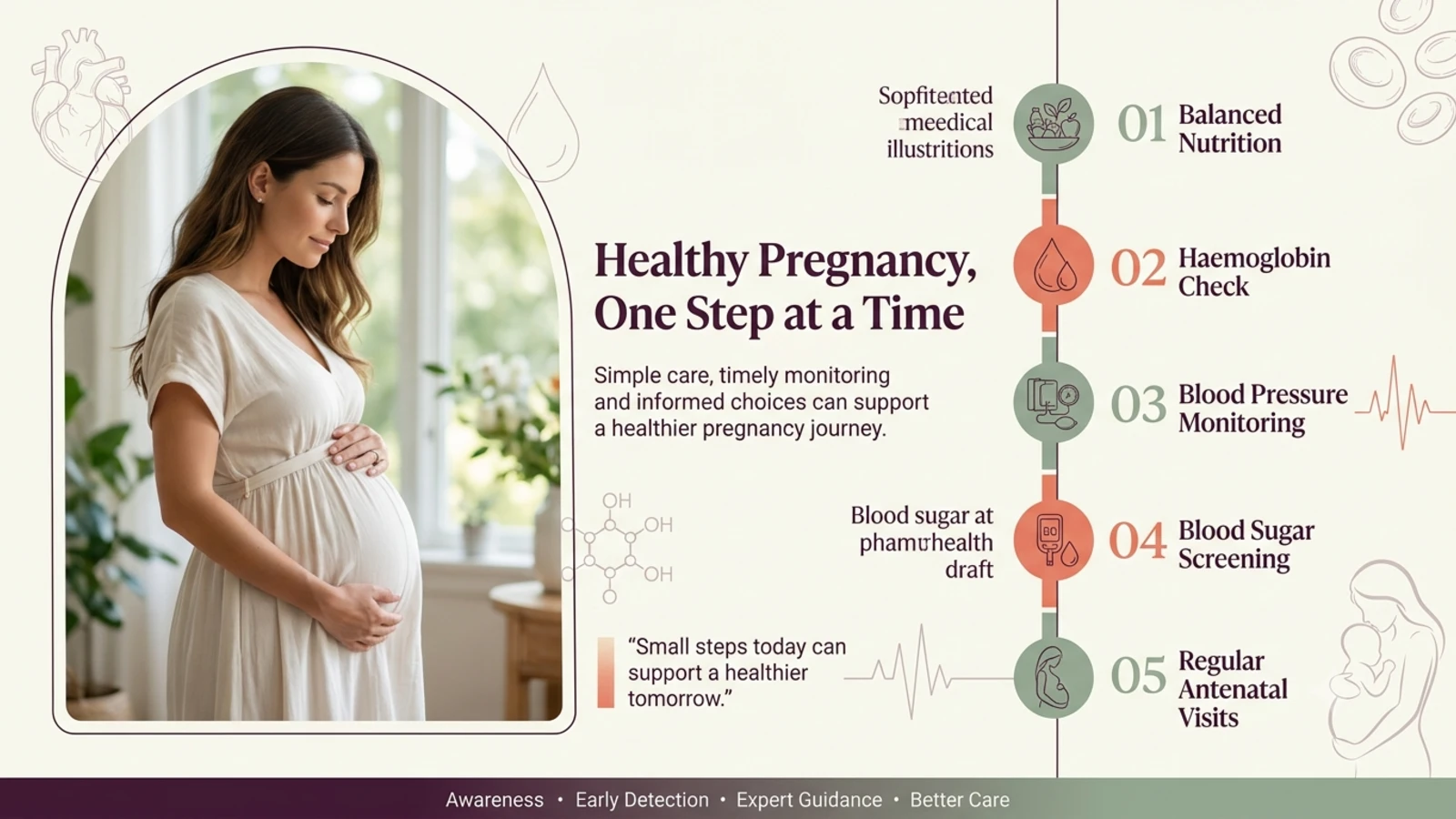
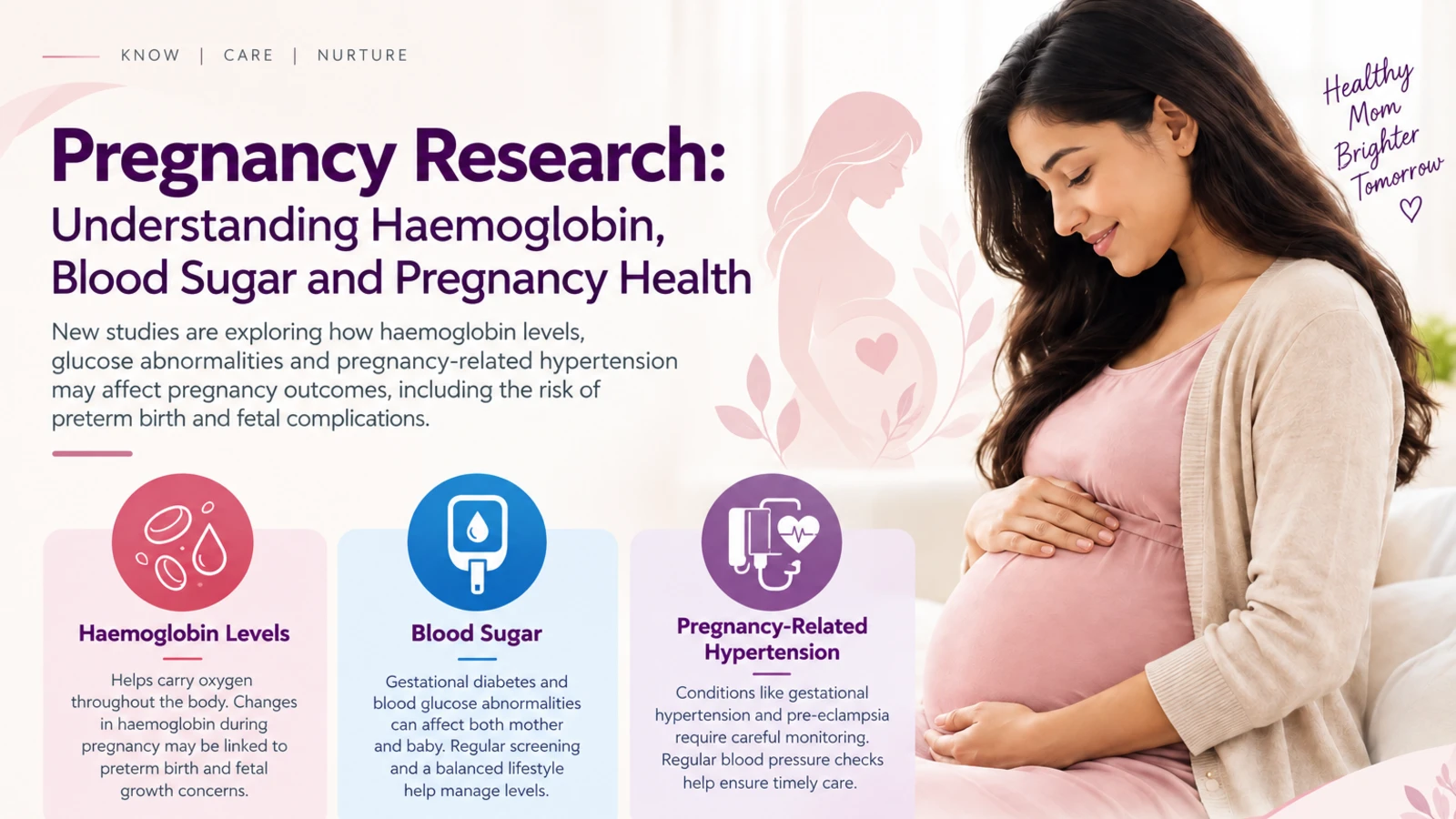
Pregnancy brings significant changes to a woman’s body, and monitoring maternal health is an important part of supporting a healthy pregnancy. Recent research is examining how haemoglobin levels, blood glucose abnormalities, and pregnancy-related hypertension may be associated with pregnancy outcomes, including the risk of preterm birth and fetal complications.
Haemoglobin Levels During Pregnancy
Haemoglobin helps carry oxygen throughout the body. During pregnancy, blood volume increases, which can naturally affect haemoglobin levels.
Researchers are studying how changes in haemoglobin throughout pregnancy, rather than looking at a single measurement, may be associated with outcomes such as preterm birth and fetal growth concerns.
Regular antenatal check-ups and appropriate blood tests can help healthcare professionals identify anaemia or other blood-related concerns early.
Blood Sugar and Pregnancy
Changes in blood glucose levels can occur during pregnancy. Gestational diabetes is one condition that healthcare professionals monitor because elevated blood glucose can be associated with complications affecting both the mother and baby.
Routine screening, a balanced diet, appropriate physical activity as advised by a healthcare professional, and regular prenatal care can help manage blood glucose during pregnancy.
Pregnancy-Related High Blood Pressure
High blood pressure during pregnancy, including conditions such as gestational hypertension and pre-eclampsia, requires careful medical monitoring.
Blood-pressure checks are therefore an important part of routine antenatal care. Early identification can allow healthcare professionals to monitor the mother and baby more closely and decide on appropriate management.